
Tuesday, November 1, 2011
Miljöömaks ja kuidas seda kompenseerida
Muinsuskaitse nõuded ajaloolistele hoonetele on võrreldavad maksuga. Et vältida vanemate elupiirkondade lagunemist, tuleks (nõutele vastavat) renoveerimist osaliselt kompenseerida.
 Täpsemalt Tartu Postimehes.


Wednesday, September 21, 2011
Public Goods Provision as an Anti-Immigration Argument?

The public goods game is an explanation to why so often too little is done to promote the common cause. The idea itself is very simple. Imagine we have several players. Everyone can decide how much resources to put into the "common pot". Next, the content of the pot is multiplied (by a number less then the number of players) and distributed evenly back to all the players. Obviously, the best solution for everyone were to invest a lot and gain back even more. Unfortunately, for every dollar I invest, I receive back less than one (although I receive a slice of what the others have invested). Hence, a rational selfish player will not invest anything at all and solely free-ride on the others investments. As experiments indicate, the people around us are not quite that bad, but most will still devote less than optimal amount of resources for the public good.
Now imagine that instead of players, we have countries. The common pot are the public goods, such as crime prevention or public highways. Voters in every country are free to pay taxes and build up such public goods. But afterwards, they are also free to move to whichever country they want. What would rational voters do? First, they would pay no taxes, and second, they will move to the country with best amenities. Sounds like the public goods game, right?
However, for the analogy to work, the public goods must be non-excludable -- it must be hard to avoid free-riding on the taxpayers bill. However, from the viewpoint of immigration, many public goods, usually given as examples of non-excludable goods, are actually excludable. This includes highways (can be financed by fuel taxes), social security (can be made conditional on some sort of contribution period) and public schools (if immigrants can be taxes, this money can by used for constructing new schools). If population growth (not just through immigration) is slow enough, and newcomers pay taxes, you can expand all of the above examples. The excludability originates from the fact that governments can tax the (potential) users, and expand the supply through this source of funding. Note that you still may have a conflict between rather rich locals and poor immigrants, each preferring a different level and variety of goods.
What cannot be easily expand include some sort of inherently limited resources one cannot produce at all, such as minerals, arable land, but also street space in a busy downtown. Although these are public goods as well, the public goods game as described above does not directly apply for these (another one, called "tragedy of commons", does). There is also a type of amenities which are non-excludable even in case of countries and governments. This includes information, environment protection, and other stuff for which national borders play no role.
In conclusion, free-riding on public goods provided by locals is a valid but possibly quite weak argument against liberal immigration policy. Strength of it depends on the degree to which the immigrant population can be taxed, i.e. whether immigrants are in legal employment.
Note also that there are more ways immigration and public goods provision are related. For instance, studies find that more diverse population leads to less public goods provision, possibly through low level of solidarity in heterogeneous society. That's a different story, however.
Wednesday, August 10, 2011
Waiting for Pan-European Cellular Networks
This summary is not available. Please
click here to view the post.
Saturday, March 5, 2011
Miks valimislubadusi uskuda ei saa ja kas midagi üldse uskuda saab
Lingin siia oma valimisteemalise kommentaari Postimees onlines.
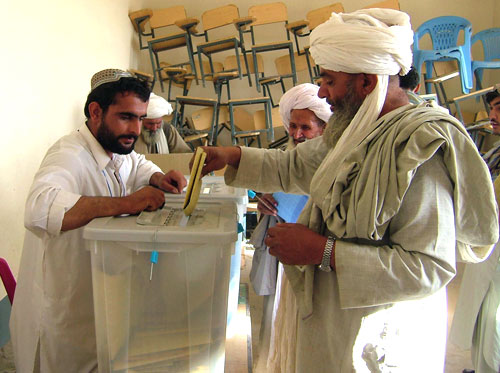
By U.S. Army photo by Staff Sgt. Jacob Caldwell [Public domain], via Wikimedia Commons
By U.S. Army photo by Staff Sgt. Jacob Caldwell [Public domain], via Wikimedia Commons
Tuesday, January 4, 2011
Milline on EE tööjõu maksumäär?
Siin arvutusreegel Eesti tööjõu piirmaksumäära rehkendamiseks. Algselt oli see mõeldud lisana HEI loole: Kas Eesti maksusüsteemi võiks lihtsustada, aga sinna jõudis ainult keskmise maksumäära rehkendamise valem.
Lühidalt: tööjõu maksumäär on kolmeastmeline, kusjuures astmed on umbes 4, 25, ja 43 protsenti. Loos ma ei maini ka seda, et tulumaksu vähendamine ning töötusmaksu sisseviimine on muutnud seda vähem progressiivseks. Arvutuseeskiri on siin PNG failina, kui keegi oskab latexit mathml-ks muuta, siis aidake :-)

Lühidalt: tööjõu maksumäär on kolmeastmeline, kusjuures astmed on umbes 4, 25, ja 43 protsenti. Loos ma ei maini ka seda, et tulumaksu vähendamine ning töötusmaksu sisseviimine on muutnud seda vähem progressiivseks. Arvutuseeskiri on siin PNG failina, kui keegi oskab latexit mathml-ks muuta, siis aidake :-)

Monday, January 3, 2011
Kuidas "kõrgharidus" tähendab erinevaid asju ja miks see hää on
Kõrgkoolid saavad orienteeruda sellisele tasemele, millisel onvõimalik värvata tudengeid. Kuid ka viletsad tudengid ei õigusta
halba õpetamist.
 Jos-uit-boston at nl.wikipedia [GFDL or CC-BY-SA-3.0, via Wikimedia Commons
Koolilõpetajate võimekus ja huvid on erinevad. Kõige rohkem õpilasi on keskpärased. Väga võimekaid on väga vähe, samas suudavad nad õppida palju rohkem ja kiiremini kui teised. Millistele nende hulgast peaks ülikool oma tegevuse suunama? Ilmselt peab sihtima niisugust gruppi mis on piisavalt suur. Elitaarset ülikooli, kus õpetatakse vaid väikest arvu eriti andekaid üliõpilasi, pole mõtekas luua. Esiteks oleks selle ülalpidamine kallis ja teiseks tunneksid ka eliittudengid end paremini kui nad oleksid osa suuremast grupist. Samas kaotavad kõige andekamad üliõpilased väga palju, kui nad oma võimetele vastava hariduse asemel rahulduvad keskpärasusega.
Niisugune tõdemus võimaldab meil teha hulga huvitavaid järeldusi.
Esiteks, mõisted nagu "bakalaureuse-" või "magistrikraad", on ebatäpsed. Samale kraadile vastav diplom võib tähendada väga erineval tasemel haridust. Akrediteerimine määrab ainult (üpris madala) miinimumtaseme.
Teiseks, suur tudengite arv ei ole sama mis keskpärased tudengid -- kui elanikkond on suur, siis on küll võimalik leida palju võimekaid üliõpilasi. See viitab vajadusele koolide spetsialiseerumise ja tasemega seotud brändide järele. Võimekamad keskkoolilõpetajad peaksid minema ühte, keskpärased teistesse ülikoolidesse.
Kolmandaks, kõige võimekamad tudengid peaksid minema tippkoolidesse. Vaatamata üleskutsetele, et parimad Eestimaa pead õpiksid Eestis, ei ole siin vastava tasemega programme.
Neljandaks, kui on soov siin luua programm kõige andekamatele üliõpilastele, peab enamus neist pärinema väljastpoolt. Seega peab niisugune programm konkureerima tuntud ülikoolidega nagu Stanford ja Chicago.
Seega võiks Baltimaade kõrgharidus liikuda umbes niisuguses suunas: esiteks peaksid koolid taseme osas spetsialiseeruma. See võimaldaks ka väikses ühiskonnas rakendada natuke suuruseelist ja vähendada konkurentsi negatiivseid külgi. Teiseks peaks rohkem kasutama rahvusvahelist spetsialiseerumist. Keskkoolilõpetajad peaksid rohkem teadma erinevate ülikoolide ja valdkondade tasemest, nii oma kodukohas kui kaugemal. Kõige võimekamad keskkoolilõpetajad peaksid jätkama oma õpinguid maailma tugevamates ülikoolides. Selles osas tuleb neile vaid jõudu soovida.
Kas tipptasemel programmid võivad tekkida ka siinsete ülikoolide juurde? Praegu selleks võimalusi ei paista. Kuid see ei tähenda, et arenemisruumi poleks -- ka keskpäraseid tudengeid saab hästi õpetada.
 By Ahnaiahicea [CC-BY-SA-3.0-2.5-2.0-1.0
Kokkuvõttes: sõna "kõrgharidus" sisaldab väga erineval tasemel haridust. Seda on vaja arvestada nii kooli valikul kui hariduspoliitika kujundamisel.
Jos-uit-boston at nl.wikipedia [GFDL or CC-BY-SA-3.0, via Wikimedia Commons
Koolilõpetajate võimekus ja huvid on erinevad. Kõige rohkem õpilasi on keskpärased. Väga võimekaid on väga vähe, samas suudavad nad õppida palju rohkem ja kiiremini kui teised. Millistele nende hulgast peaks ülikool oma tegevuse suunama? Ilmselt peab sihtima niisugust gruppi mis on piisavalt suur. Elitaarset ülikooli, kus õpetatakse vaid väikest arvu eriti andekaid üliõpilasi, pole mõtekas luua. Esiteks oleks selle ülalpidamine kallis ja teiseks tunneksid ka eliittudengid end paremini kui nad oleksid osa suuremast grupist. Samas kaotavad kõige andekamad üliõpilased väga palju, kui nad oma võimetele vastava hariduse asemel rahulduvad keskpärasusega.
Niisugune tõdemus võimaldab meil teha hulga huvitavaid järeldusi.
Esiteks, mõisted nagu "bakalaureuse-" või "magistrikraad", on ebatäpsed. Samale kraadile vastav diplom võib tähendada väga erineval tasemel haridust. Akrediteerimine määrab ainult (üpris madala) miinimumtaseme.
Teiseks, suur tudengite arv ei ole sama mis keskpärased tudengid -- kui elanikkond on suur, siis on küll võimalik leida palju võimekaid üliõpilasi. See viitab vajadusele koolide spetsialiseerumise ja tasemega seotud brändide järele. Võimekamad keskkoolilõpetajad peaksid minema ühte, keskpärased teistesse ülikoolidesse.
Kolmandaks, kõige võimekamad tudengid peaksid minema tippkoolidesse. Vaatamata üleskutsetele, et parimad Eestimaa pead õpiksid Eestis, ei ole siin vastava tasemega programme.
Neljandaks, kui on soov siin luua programm kõige andekamatele üliõpilastele, peab enamus neist pärinema väljastpoolt. Seega peab niisugune programm konkureerima tuntud ülikoolidega nagu Stanford ja Chicago.
Seega võiks Baltimaade kõrgharidus liikuda umbes niisuguses suunas: esiteks peaksid koolid taseme osas spetsialiseeruma. See võimaldaks ka väikses ühiskonnas rakendada natuke suuruseelist ja vähendada konkurentsi negatiivseid külgi. Teiseks peaks rohkem kasutama rahvusvahelist spetsialiseerumist. Keskkoolilõpetajad peaksid rohkem teadma erinevate ülikoolide ja valdkondade tasemest, nii oma kodukohas kui kaugemal. Kõige võimekamad keskkoolilõpetajad peaksid jätkama oma õpinguid maailma tugevamates ülikoolides. Selles osas tuleb neile vaid jõudu soovida.
Kas tipptasemel programmid võivad tekkida ka siinsete ülikoolide juurde? Praegu selleks võimalusi ei paista. Kuid see ei tähenda, et arenemisruumi poleks -- ka keskpäraseid tudengeid saab hästi õpetada.
Kokkuvõttes: sõna "kõrgharidus" sisaldab väga erineval tasemel haridust. Seda on vaja arvestada nii kooli valikul kui hariduspoliitika kujundamisel.
Friday, December 17, 2010
BLAMING CONTINENTAL FOR CONCORDE CRASH
In December 2010, a French court decided that Continental Airlines is
criminally responsible in the crash of the Concorde, back in summer
2000, which killed 113 people. Namely, a Continental plane, taking
off just minutes earlier, left a piece of debris on the runway, which
afterwards punctured the tire of Concorde and lead to the crash.
Should we blame Continental for this crash? Briefly, I believe we should, but just a little.

Events have a large number of causes. In case of Concorde crash, those include the design of the airplane (which was vulnerable to the tire bursting at high speed), the related testing and certification process (which was unable to identify that problem), the plane operators (who did not strengthen the plane despite of numerous similar incidents), the airport in Paris (which could not spot the piece of metal on the runway), and the Continental plane, which left the debris. In a sense, all of them are somewhat responsible.
Unfortunately, causality itself is a tricky concept as well. What is needed for an act to be a cause for something? Perhaps I am guilty if my act was necessary and sufficient to lead to an undesirable outcome. If a soccer player kicks the ball, and the goalkeeper blocks it, and the ball bounces to a window -- who is guilty? Both the kick and the blocking were necessary, but not sufficient. The Concorde case is similar: wrongly repaired thrust reverser was necessary but not sufficient for the accident.
To overcome this paradox, we need a more complex concept of responsibility. As the court ruled for 70% of the compensation claims to be paid by Continental, it implicitly stated that the Continental was to be blamed for about 70% of the crash. I believe this is the right way to think about similar cases (although I would go for a smaller percentage here). There are many culprits, but they are of different importance. It was a shared responsibility where Continental had a (minor) part.
Is there a consistent way to establish one's "share of blame"? I doubt it. But we may still try.
First, it is not acceptable that a departing plane drops large pieces of metal on the runway. Second, for years Air France knew the problems with bursting tires and potential damage it caused. However, little was done. This is unacceptable as well. One might propose something along the following lines: First, calculate what is the expected cost for the other airlines (including eventual crashes) if a plane drops a piece of metal, given everyone follows the procedures which was deemed appropriate in summer 2000 (call theses costs A). Next, calculate how often would Concorde crash due to bursting tires, using the procedures and technology as it was used by Air France during the time of the crash, without any debris on the runway (call related costs B). In total, A + B correspond to the sum of costs, both of which are sufficient but not necessary for the accident. Now find, what would be the second likelihood, given there is similar debris on runway (call this C). The difference C - B corresponds to the extra costs for Air France, caused by the debris, but also by the weak design of the Concorde. The Continentals "guilt" might be (A + 1/2 (C - B))/(A + C), i.e. the costs Continental caused alone (A), plus a half of the extra (1/2 (C - B)) as a percentage of the total costs (A + C).
Although the the proposal above has many shortcomings, it helps to analyse situations where there is no single ultimate "guilty" part.
Should we blame Continental for this crash? Briefly, I believe we should, but just a little.
Events have a large number of causes. In case of Concorde crash, those include the design of the airplane (which was vulnerable to the tire bursting at high speed), the related testing and certification process (which was unable to identify that problem), the plane operators (who did not strengthen the plane despite of numerous similar incidents), the airport in Paris (which could not spot the piece of metal on the runway), and the Continental plane, which left the debris. In a sense, all of them are somewhat responsible.
Unfortunately, causality itself is a tricky concept as well. What is needed for an act to be a cause for something? Perhaps I am guilty if my act was necessary and sufficient to lead to an undesirable outcome. If a soccer player kicks the ball, and the goalkeeper blocks it, and the ball bounces to a window -- who is guilty? Both the kick and the blocking were necessary, but not sufficient. The Concorde case is similar: wrongly repaired thrust reverser was necessary but not sufficient for the accident.
To overcome this paradox, we need a more complex concept of responsibility. As the court ruled for 70% of the compensation claims to be paid by Continental, it implicitly stated that the Continental was to be blamed for about 70% of the crash. I believe this is the right way to think about similar cases (although I would go for a smaller percentage here). There are many culprits, but they are of different importance. It was a shared responsibility where Continental had a (minor) part.
Is there a consistent way to establish one's "share of blame"? I doubt it. But we may still try.
First, it is not acceptable that a departing plane drops large pieces of metal on the runway. Second, for years Air France knew the problems with bursting tires and potential damage it caused. However, little was done. This is unacceptable as well. One might propose something along the following lines: First, calculate what is the expected cost for the other airlines (including eventual crashes) if a plane drops a piece of metal, given everyone follows the procedures which was deemed appropriate in summer 2000 (call theses costs A). Next, calculate how often would Concorde crash due to bursting tires, using the procedures and technology as it was used by Air France during the time of the crash, without any debris on the runway (call related costs B). In total, A + B correspond to the sum of costs, both of which are sufficient but not necessary for the accident. Now find, what would be the second likelihood, given there is similar debris on runway (call this C). The difference C - B corresponds to the extra costs for Air France, caused by the debris, but also by the weak design of the Concorde. The Continentals "guilt" might be (A + 1/2 (C - B))/(A + C), i.e. the costs Continental caused alone (A), plus a half of the extra (1/2 (C - B)) as a percentage of the total costs (A + C).
Although the the proposal above has many shortcomings, it helps to analyse situations where there is no single ultimate "guilty" part.
Subscribe to:
Posts (Atom)